

A simple, brown Lincoln Wheat penny might not look like much—but a few rare dates and error coins have sold for tens of thousands of dollars at auction. Some of these pieces can reach or exceed $49,000 in top condition, which is why collectors and casual treasure hunters still check every old cent they find. While most Wheat pennies are common, the tiny chance of discovering a rare one keeps the excitement alive.
What Is a Lincoln Wheat Penny?
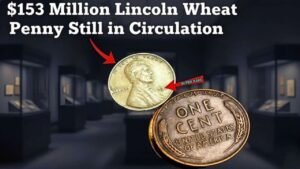
The Lincoln Wheat penny was first minted in 1909 to mark the 100th anniversary of Abraham Lincoln’s birth. It features Lincoln’s portrait on the front and two wheat stalks on the back, giving it the nickname “Wheat cent.”
Key Basics
- Years minted: 1909–1958
- Metal: Mostly copper
- Obverse: Abraham Lincoln portrait
- Reverse: Two wheat ears and “ONE CENT”
These coins are iconic, affordable to start collecting, and still commonly found in old jars, rolls, and inherited collections.
Why Some Wheat Pennies Are Worth Up to $49,000
Most Wheat pennies are worth only a few cents to a few dollars, but scarce dates, low mintages, and dramatic mint errors can push values into the thousands and beyond. The same 1‑cent design can range from pocket change to a serious investment depending on the date, mintmark, condition, and variety.
Famous High-Value Wheat Pennies
Collectors often chase these key coins:
- 1909‑S VDB – Low mintage and historic first‑year design; top-grade examples can reach well into the five‑figure range.
- 1914‑D – A key low‑mintage date from Denver, valuable in all collectible grades.
- 1922 “No D” – A variety where the “D” mintmark is missing or almost invisible.
- 1955 Doubled Die Obverse – Strong doubling on the date and lettering; dramatic examples can sell for tens of thousands.
In near‑perfect, professionally graded condition, coins like these are where $49,000‑level prices become realistic.
Could a $49,000 Wheat Penny Still Be in Circulation?
Yes—but it is very unlikely.
Most high‑value Wheat pennies have already been pulled from circulation by collectors and dealers. However, occasional finds still emerge from:
- Old change jars and coffee cans
- Estate sales and inherited collections
- Bank coin rolls
- Forgotten stashes in attics, basements, and closets
Because Wheat cents circulated for decades, it is possible—though rare—that a valuable one could still appear in everyday change or a bulk lot.
How to Check Your Wheat Pennies
If you find a Wheat penny, slow down and inspect it. A few quick checks can help you spot something special.
Step 1: Look at the Date
Pay close attention to:
- 1909 (especially with VDB initials or an S mintmark)
- 1914 (look for 1914‑D)
- 1922 (check for missing D mintmark)
- 1931 (especially 1931‑S)
- 1955 (look for clear doubling on the date and letters)
Step 2: Check the Mintmark
The mintmark is under the date on the front:
- No letter: Philadelphia
- D: Denver
- S: San Francisco
Certain combinations of date + mintmark are far scarcer and more valuable.
Step 3: Look for Errors and Condition
Things that can boost value:
- Doubled designs (letters or numbers look doubled)
- Off‑center strikes
- Missing mintmarks on dates that should have them
- Cracks or extra metal from die breaks
Condition matters too. Sharp details, strong luster, and minimal wear can multiply a coin’s value many times over.
Quick Value Snapshot (Very General)
| Type of Wheat Penny | Typical Value Range* |
|---|---|
| Common dates, worn | 1–10 cents |
| Better dates in nice condition | A few dollars to a few hundred |
| Key dates (e.g., 1909‑S VDB, 1914‑D) | Hundreds to many thousands |
| Top‑grade key dates / famous errors | Tens of thousands and higher |
*Actual value depends on professional grading, demand, and the specific variety.
When to Get Your Penny Graded
Professional grading (PCGS, NGC, etc.) makes sense when:
- The date and mintmark match a key rarity
- The coin has a clear, strong error
- The condition appears extremely sharp, with little or no wear
Grading costs money, so it is usually not worth it for common, worn coins.
FAQs: The Lincoln Wheat Penny Worth $49,000
1. Can a Lincoln Wheat penny really be worth $49,000?
Yes, certain rare dates and dramatic errors in top condition can reach or exceed $49,000 at auction.
2. Are valuable Wheat pennies still found today?
Occasionally, yes. Most turn up in old jars, inherited collections, or coin rolls—not regular change—but surprising discoveries do happen.
3. What should I look for first on a Wheat penny?
Start with the date and mintmark, then check for famous varieties or visible errors and note the overall condition.
4. Is the 1909‑S VDB the rarest Wheat penny?
It is one of the most famous and valuable, especially in high grades, but other dates and major errors are also extremely sought after.
5. I think I have a rare Wheat penny—what next?
Photograph it clearly, compare it with trusted online guides, then consider taking it to a reputable coin dealer or sending it for professional grading if it appears promising.
Conclusion: Tiny Coin, Big Possibility
The odds of pulling a $49,000 Lincoln Wheat penny from your change are small—but not zero. More importantly, searching your pennies is an easy, low‑cost way to connect with American history and the world of collecting. Next time you spot those wheat stalks on the back of a cent, take a closer look; that little coin might be worth more than you think, and it could be the start of a rewarding new hobby.