

The Lincoln penny isn’t just a coin—it’s a piece of American history. Since its debut in 1909, this small cent has captured over a century of U.S. heritage, from industrial booms to wartime shifts. For beginners, it’s a gateway into the world of coin collecting; for seasoned collectors, it’s a lifelong passion. Knowing Lincoln penny values by year can help you spot rare finds and uncover hidden treasures in your pocket change or coin rolls.
The Legacy of the Lincoln Penny
When the U.S. Mint introduced the Lincoln cent in 1909, it marked a revolution: the first U.S. coin to feature a real person’s face. Abraham Lincoln’s portrait, designed by Victor David Brenner, appeared on the obverse, while two wheat stalks symbolized prosperity on the reverse. This “Wheat Cent” design lasted until 1958, followed by the Lincoln Memorial reverse in 1959 and the Union Shield design in 2010. Over time, subtle design changes, minting errors, and limited editions made certain pennies highly collectible.
What Determines a Lincoln Penny’s Value
A penny’s worth depends on several key factors:
| Factor | Why It Matters | Example |
|---|---|---|
| Year | Low mintage years or special editions increase value | 1909, 1914, 1943 |
| Mint Mark | Indicates where the coin was struck: D = Denver, S = San Francisco, no mark = Philadelphia | S coins often scarcer |
| Condition | Coins with minimal wear fetch higher prices | MS-65 can multiply value 10x |
| Errors/Varieties | Minting mistakes can make a penny rare and valuable | 1955 Double Die, 1943 Copper Cent |
Even small details—like a missing mint mark or faint doubling—can turn a one-cent coin into a collectible worth thousands.
Most Valuable Lincoln Pennies by Year
- 1909-S V.D.B. – First-year issue with designer’s initials; value: $1,000–$2,000 (Fine), $5,000+ (Uncirculated).
- 1914-D – Denver-minted rarity; value: $200–$120,000 depending on grade.
- 1922 No D – Mintmark missing due to worn die; value: $500–$10,000+.
- 1931-S – Depression-era scarcity; value: $100–$1,500.
- 1943 Copper Cent – WWII error penny; value: $100,000–$1.7 million.
- 1955 Double Die – Doubling on inscriptions; value: $1,500–$20,000+.
Lincoln Pennies by Decade
| Decade | Key Highlights | Collectibility |
|---|---|---|
| 1900s–1910s | Low mintage, first Lincoln designs | High |
| 1920s–1930s | Mint errors, Depression-era scarcity | Moderate to High |
| 1940s | Wartime metal changes (steel vs. copper) | High for 1943 copper |
| 1950s–1970s | Stable production, double die errors | Moderate |
| 1980s–1990s | Zinc replaces copper; modern proofs | Moderate |
| 2000s–Present | Special editions, e.g., 2009 Bicentennial | Growing interest |
How to Start a Lincoln Penny Collection
- Check Your Change: Old jars, piggy banks, or coin rolls may hide treasures.
- Organize: Use coin folders or albums sorted by year and mint mark.
- Handle Carefully: Hold coins by the edge; never clean them.
- Learn Grading: Condition dramatically affects value.
- Join Communities: Coin clubs, forums, and auctions like Heritage or Stack’s Bowers help with guidance.
- Track Prices: Resources like the PCGS Price Guide keep you updated on market values.
Why Collectors Love Lincoln Pennies
Lincoln cents combine history, artistry, and accessibility. They offer a tangible connection to America’s past and can serve as a smart investment. Rare varieties have consistently appreciated over time, sometimes outpacing traditional precious metals.
FAQs
What is the most valuable Lincoln penny?
The 1909-S V.D.B. is the most famous regular issue; the 1943 copper penny is the rarest error.
How do I know if my penny is valuable?
Check the year, mint mark, condition, and look for unusual errors.
Why is the 1943 copper penny special?
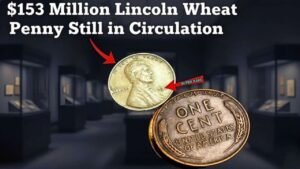
It was mistakenly struck in copper instead of steel during WWII, making it extremely rare.
What do mint marks mean?
D = Denver, S = San Francisco, no mark = Philadelphia.
Are Lincoln pennies a good investment?
Yes, rare or high-grade varieties appreciate over time and are considered tangible assets.
Conclusion
Lincoln pennies are more than change—they’re miniature pieces of history. With the right knowledge, patience, and a keen eye, collectors can uncover rare coins worth thousands or even millions. Whether you’re starting a collection or investing for the future, these iconic cents offer both excitement and potential financial reward.