
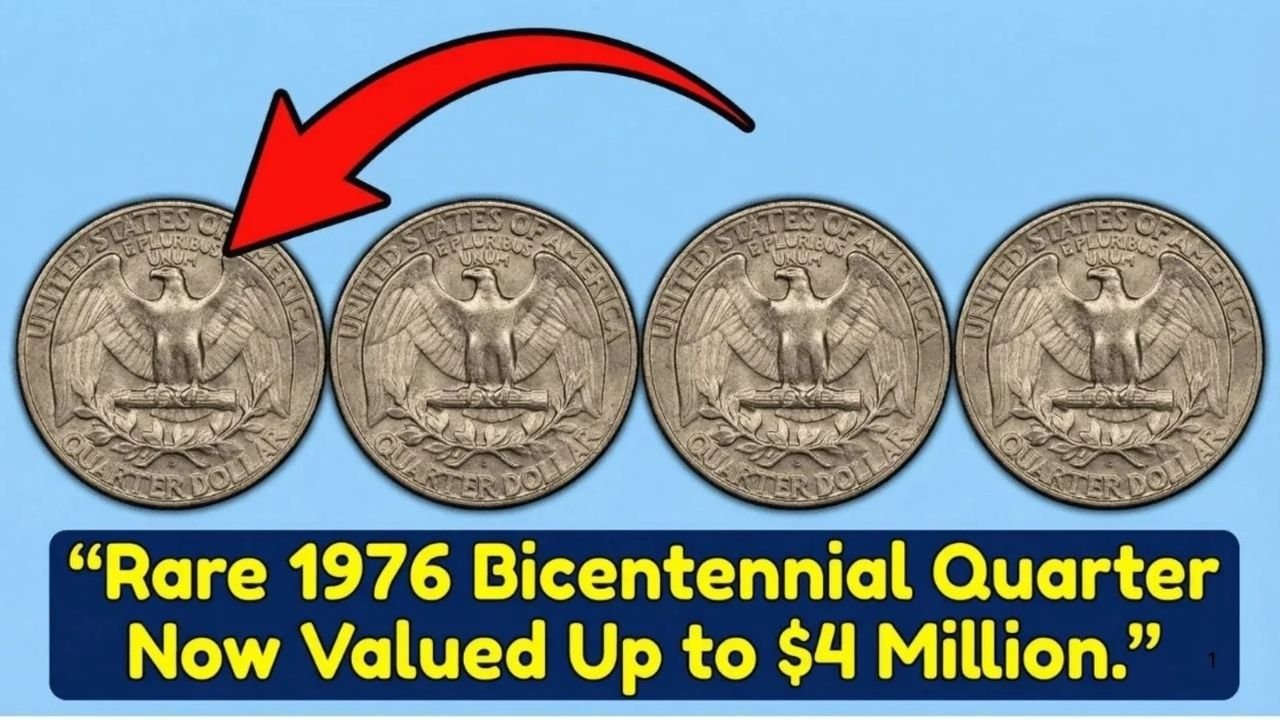
Imagine opening an old coin jar and spotting a 1976 Bicentennial quarter. While most are just pocket change, a rare error or silver version could be worth thousands—or even millions. Collectors and hobbyists are always on the lookout for these hidden treasures, and knowing what to spot can make all the difference.
What Makes the 1976 Bicentennial Quarter Special
The 1976 Bicentennial quarter celebrates America’s 200th birthday. Unlike standard quarters, the reverse features a drummer boy with a torch and 13 stars, while the obverse keeps George Washington’s profile. The coin’s dual date, “1776-1976,” marks the nation’s independence anniversary.
Minted in massive numbers across three locations:
- Philadelphia (no mint mark)
- Denver (D)
- San Francisco (S, often silver)
Most circulated coins are common and worth face value, but rare errors and silver varieties can skyrocket in value.
Why Collectors Value Rare Bicentennial Quarters
Rare Bicentennial quarters are sought after for several reasons:
- Historical significance: A tangible piece of the U.S. Bicentennial celebration.
- Limited error coins: Doubling, off-center strikes, and silver errors make some coins extremely rare.
- Collector demand: Premium-grade coins can fetch thousands in auctions.
| Variety | Circulated Value | High-Grade Value (MS68+) |
|---|---|---|
| Standard Clad | $0.25–$1 | $5–$50 |
| Silver Proof (S Mint) | $5–$10 | $100–$500 |
| Doubled Die Obverse | $50–$200 | $1,000–$10,000 |
| Off-Center Strike | $100–$500 | $2,000+ |
How to Identify a Rare Bicentennial Quarter
Grab a magnifying glass and inspect your coins carefully. Focus on these features:
Key Signs of Valuable Varieties
- Doubled Die Obverse: Thick, doubled letters on “LIBERTY” or “IN GOD WE TRUST.”
- Off-Center Strike: Part of the design is missing due to misaligned planchets.
- Silver Clad Error (S Mint): Heavier weight and metallic shine, sometimes accidentally circulated.
- Struck Through Grease: Bumpy or incomplete details caused by debris in the die.
Quick Tips for Collectors
- Check the mint mark under Washington’s profile.
- Compare with verified images online.
- Examine weight and sound; silver coins ring differently than clad.
- Seek professional grading (PCGS or NGC) for high-value finds.
Notable Auction Records
- 1976-D Doubled Die: Sold for $6,463 at Heritage Auctions.
- Silver Errors: Fetching $2,880 at Stack’s Bowers.
- Only 13 MS68 graded coins exist according to PCGS records.
Collectors prize these coins for their rarity, historical relevance, and the thrill of discovery.
FAQs About 1976 Bicentennial Quarters
Q1: Are all 1976 quarters valuable?
A: No, most are worth face value. Only rare errors or high-grade examples carry significant value.
Q2: How can I tell if my quarter is silver?
A: Silver coins weigh 6.25 grams versus 5.67 grams for clad, and they are not magnetic.
Q3: What is the most expensive Bicentennial quarter ever sold?
A: Pristine silver errors have sold for $45,000, with rumors of private sales reaching $4 million.
Q4: Where is the best place to sell a rare quarter?
A: Reputable auction houses like Heritage or certified coin dealers offer the best returns.
Q5: Can these quarters still be found in circulation?
A: Rare, but possible. Always check old change jars, rolls, and estate finds.
Conclusion
A 1976 Bicentennial quarter may look ordinary, but errors, silver versions, and high-grade examples can hold extraordinary value. Take a closer look at old coins, examine them carefully, and you might just uncover a hidden treasure. Start hunting, and who knows—your next quarter could be worth a fortune!