
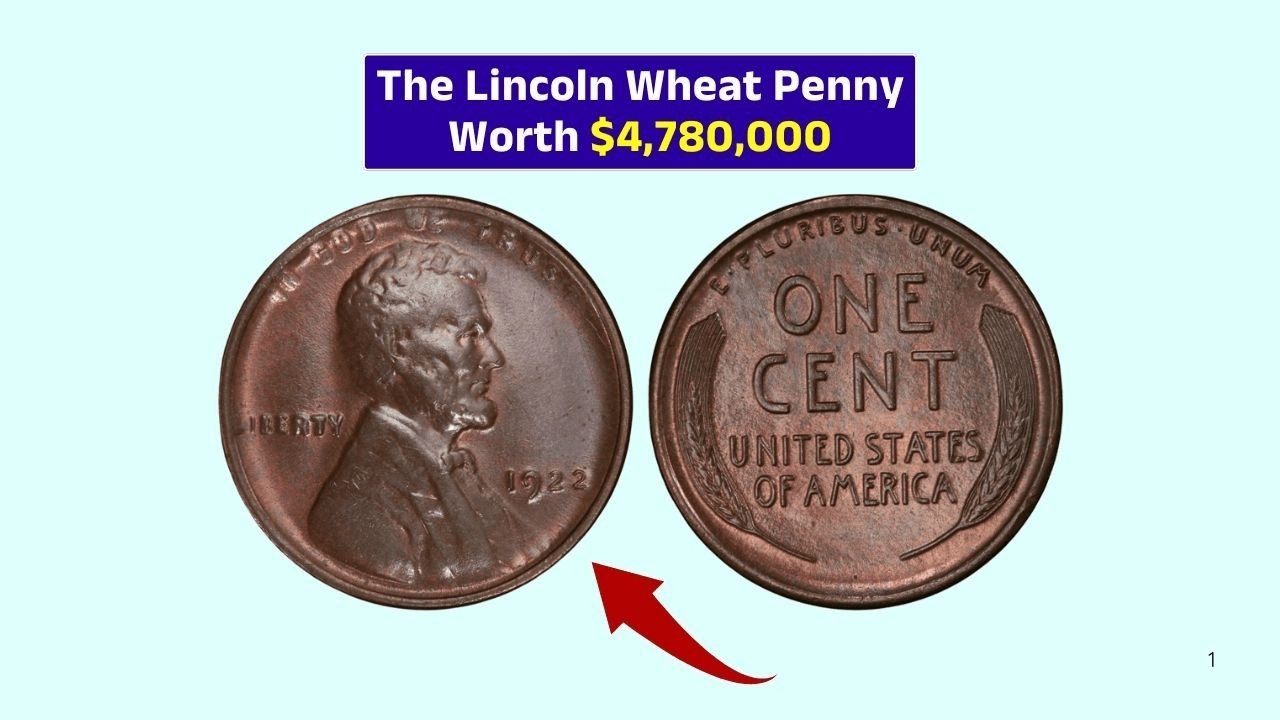
Imagine rifling through a jar of coins and discovering a penny worth millions. It sounds impossible, yet the 1943 Copper Wheat Penny has fetched an astonishing $4.78 million at auction—and one could still be hiding in your change. This rare coin isn’t just valuable; it’s a piece of history from the World War II era that continues to captivate collectors and investors alike.
The Birth of the Lincoln Wheat Penny
The Lincoln Wheat Penny, introduced in 1909 to mark Abraham Lincoln’s 100th birthday, was the first U.S. coin to feature a real person. Sculptor Victor David Brenner designed the coin, with Lincoln’s profile on the obverse and two wheat stalks surrounding “ONE CENT” on the reverse. This “Wheat Cent” design, struck until 1958, symbolized prosperity and national growth. While most Wheat Pennies are worth only a cent today, a few rare varieties have become legendary in numismatics.
The $4.78 Million Mistake: 1943 Copper Wheat Penny
During World War II, copper was critical for ammunition and wiring, so the U.S. Mint switched to zinc-coated steel for pennies. Most 1943 cents are silver-colored steel coins. However, a handful of copper planchets from 1942 accidentally entered production, creating one of the rarest minting errors in U.S. history.
- Survival: Fewer than 30 examples are confirmed worldwide.
- Record Sale: One 1943 copper penny sold for $4.78 million at a private auction.
- Why It Matters: These coins are “unicorns” of American currency—unexpected, historically significant, and immensely valuable.
Other Notable Lincoln Wheat Penny Rarities
| Coin Type | Year | Mint Mark | Estimated Value | Key Feature |
|---|---|---|---|---|
| Copper Wheat Penny | 1943 | P, D, S | Up to $4.78M | Mistaken metal |
| 1909-S V.D.B. | 1909 | S | $1,000–$3,000+ | First issue, designer initials |
| 1914-D | 1914 | D | $2,500–$10,000 | Low Denver mintage |
| 1944 Steel Penny | 1944 | P, D, S | $50,000–$150,000 | Opposite-year metal error |
| 1955 Double Die Obverse | 1955 | P | $1,000–$15,000 | Doubling on inscriptions |
How to Identify a 1943 Copper Wheat Penny
Even non-experts can check for these clues:
- Year Check: Confirm the date “1943.”
- Magnet Test: Steel pennies stick; copper pennies do not.
- Color: Steel is gray-silver; copper is reddish-brown.
- Weight: Copper = 3.11 grams; steel = 2.7 grams.
- Authentication: If it passes the tests, do not clean it. Get it graded by PCGS or NGC.
A certified, circulated 1943 copper penny can still command six-figure prices.
Where Rare Pennies Are Found
While extremely rare, some have surfaced in:
- Family piggy banks passed down for generations
- Vintage store cash registers
- Garage sales or estate auctions
- School fundraisers and church collections
Many slipped into circulation before anyone noticed, making every new discovery exciting for collectors.
Why Collectors and Investors Love Them
The Lincoln Wheat Penny is more than a coin—it’s a historical story in metal. It connects collectors to America’s past while offering tangible investment potential. Rare cents like the 1943 copper penny have consistently appreciated over time, often providing a stable alternative to volatile markets like gold or silver.
FAQs
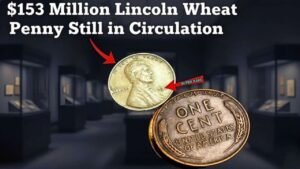
Why is the 1943 Wheat Penny so rare?
It was mistakenly struck on copper blanks instead of steel during WWII.
How can I tell if my 1943 penny is copper or steel?
Use a magnet: steel pennies stick, copper pennies do not.
How many 1943 copper Wheat Pennies exist?
Fewer than 30 are confirmed worldwide.
What does a genuine 1943 copper penny weigh?
About 3.11 grams, slightly heavier than steel versions.
Can these coins still be found today?
Yes, though extremely rare, a few may still appear in coin rolls or collections.
Conclusion
The 1943 Copper Wheat Penny proves that even the smallest coin can carry immense historical and financial value. While finding one is unlikely, the thrill of the hunt and the potential payoff keep collectors searching. Whether you’re a numismatics enthusiast or an investor, these rare pennies remind us that history—and fortune—can sometimes hide in plain sight.