

It’s hard to imagine that a coin originally worth just 25 cents could now be worth millions, but the 1976 Bicentennial Quarter has become one of the most intriguing collectibles in U.S. coin history. While over 1.5 billion were minted to celebrate America’s 200th birthday, a few rare errors, proof issues, and unique varieties have turned ordinary quarters into highly sought-after treasures.
If you’ve got old change or inherited coin collections, you might be sitting on a fortune. Here’s how to identify these valuable coins and what to do if you think you’ve found one.
Why the 1976 Bicentennial Quarter Is Special
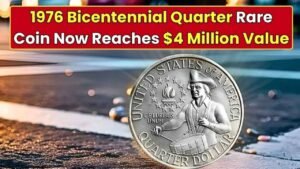
The Bicentennial Quarter was designed by Jack L. Ahr, featuring a Colonial drummer on the reverse with the dual date “1776–1976.” The obverse retained George Washington’s portrait, designed by John Flanagan.
Collectors are drawn to these coins because:
- They mark the 200th anniversary of the United States 🇺🇸
- They feature unique designs not seen on other quarters
- Some were struck in silver for collectors
- Errors like doubled dies, off-center strikes, and misstrikes make certain coins extremely valuable
While most quarters remain worth face value, rare varieties can reach staggering prices.
The Most Valuable Bicentennial Quarter Varieties
| Variety | Key Feature | Approx. Value |
|---|---|---|
| Doubled Die Obverse | Doubling on “LIBERTY,” “IN GOD WE TRUST,” or date | $1,000–$10,000 |
| Off-Center Strike | Misaligned design or rim | $500–$3,000 |
| 1976-S Silver Proof | 40% silver, mirror finish, San Francisco mint | $300–$1,000+ |
| 1976-S Silver Uncirculated | Collector set silver, satin finish | $100–$500 |
| Double Denomination Error | Struck on wrong coin planchet | Up to $20,000+ |
| Clad Proof (Mirror Finish) | Non-silver proof with “S” mint mark | $50–$200 |
| High-Grade Mint State MS-68+ | Flawless surface, full luster | $1,000–$5,000+ |
How to Identify a Rare 1976 Bicentennial Quarter
1. Check Date & Mint Mark
- Look for 1776–1976
- Mint marks: D (Denver), S (San Francisco), or none (Philadelphia)
- “S” often indicates silver proof or collector coin
2. Use Magnification
- A 10x jeweler’s loupe reveals doubling on letters or numbers
- Spot off-center strikes or overlapping details
3. Test Metal Composition
- Silver quarters: 5.75 g, whiter hue, no copper edge
- Standard clad: 5.67 g, copper edge
4. Examine the Surface
- Proof coins: mirror-like background with frosted details
- Circulated coins: dull finish with visible wear
5. Get Expert Authentication
- Professional grading from PCGS or NGC confirms rarity and increases value
Where to Find Hidden Bicentennial Treasures
Rare quarters can still appear in unexpected places:
- Old coin rolls from banks
- Estate or inherited collections
- Collector proof sets from the 1970s
Tip: Avoid polishing or cleaning — this can damage the coin’s value. Store in soft, acid-free holders and consult a professional numismatist.
Why Collectors Love Bicentennial Quarters
The appeal is a mix of patriotism, history, and potential financial gain. These coins reflect U.S. history and craftsmanship while offering the excitement of discovering hidden value. Interest has surged in recent years thanks to stories of million-dollar quarters, though authentic high-grade or error coins remain rare.
FAQs
1. How can I tell if my Bicentennial quarter is rare?
Check for doubling, off-center strikes, silver content, and the “S” mint mark. Professional grading is recommended.
2. Are rare Bicentennial quarters still in circulation?
It’s unlikely but possible; a few can appear in old coin rolls or collections.
3. What should I do if I find a rare one?
Do not clean it. Store carefully and have it professionally authenticated.
4. What’s the highest verified price for a Bicentennial quarter?
High-grade silver proofs and doubled-die varieties have sold for tens of thousands, with some private reports suggesting higher sums.
5. Where can I sell a rare quarter?
Use major auction houses like Heritage Auctions, Stack’s Bowers, GreatCollections, or trusted dealers with PCGS/NGC verification.
Conclusion
While most Bicentennial quarters are everyday change, rare varieties can hold extraordinary value. By carefully inspecting old coins and consulting experts, collectors may uncover historic treasures hidden in plain sight. Even a small quarter could turn into a life-changing find, making the hunt as thrilling as the discovery itself.