

The story of a Bicentennial quarter supposedly worth $2.5 billion has gone viral, sparking a nationwide hunt through jars, drawers, and pockets. While the legend is entertaining, the reality is very different—yet some 1776–1976 quarters can still be worth more than face value.
What Is a Bicentennial Quarter?
The Bicentennial quarter was minted in 1975–1976 to celebrate the 200th anniversary of American independence. Instead of the usual eagle, the reverse shows a colonial drummer with a torch and 13 stars, along with the dual date “1776–1976.”
Key points:
- Issued in huge quantities for general circulation
- Standard coins are copper‑nickel clad
- Special collector issues were made in 40% silver
Is the “$2.5 Billion” Quarter Real?
No. There is no verified Bicentennial quarter worth billions of dollars and no documented sale anywhere close to that amount. The viral story usually describes a one‑of‑a‑kind prototype coin:
- Struck on ultra‑high‑purity silver
- Using a unique experimental die
- Accidentally released into circulation
These details are part of a fictional or speculative legend, not recognized numismatic fact. It’s a fun story—but not a real market value.
What Are Real Bicentennial Quarters Worth?
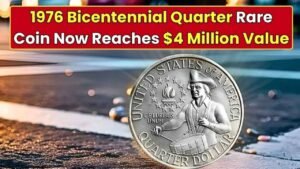
Most Bicentennial quarters are common and worth 25 cents in circulated condition. Value rises with condition, special composition, and rare errors.
Typical ranges:
- Circulated copper‑nickel quarters: usually face value
- Uncirculated mint‑state clad coins: often around $1–$5 in average collectible grades
- 40% silver Bicentennial quarters: often sell for several dollars, more for high‑grade or proof examples
- Major errors and top‑grade pieces: can reach into the hundreds or, in rare cases, low thousands
Quick Value Snapshot (Typical Market Ranges)
| Coin Type | Condition | Typical Range* |
|---|---|---|
| 1776–1976 clad (P/D) | Circulated | $0.25 |
| 1776–1976 clad (P/D) | Mint‑state | About $1–$5+ |
| 1976‑S 40% silver, uncirc. | Standard grades | About $7–$25 |
| 1976‑S 40% silver proof | Proof grades | About $9–$50+ |
*Actual prices depend on grade, eye appeal, and current market conditions.
How To Check Your Bicentennial Quarters
If you want to see whether your 1776–1976 quarter might be worth more than face value, look for:
Check the Mint Mark and Type
- No mint mark: Philadelphia
- “D”: Denver
- “S”: San Francisco (proof and some silver issues)
Look for Silver
Silver Bicentennial quarters:
- Were sold in special collector sets
- Have a different edge color than standard clad coins
- Are heavier due to their 40% silver content
Inspect Condition and Errors
Coins that may deserve closer attention:
- Bright, sharp coins with no wear and strong luster
- Quarters with unusual features like:
- Doubling in the design
- Off‑center strikes
- Missing clad layer
- Other obvious mint errors
If a coin looks especially sharp or odd, it may be worth showing to a reputable coin dealer or sending for professional grading.
FAQs About the “$2.5 Billion” Bicentennial Quarter
1. Does a Bicentennial quarter worth $2.5 billion really exist?
No. The “$2.5 billion” Bicentennial quarter is a modern myth with no verified example or real sale behind it.
2. Are any Bicentennial quarters actually valuable?
Yes. High‑grade mint‑state coins, 40% silver issues, proofs, and significant error coins can be worth more than face value, sometimes much more.
3. How can I tell if my Bicentennial quarter is silver?
Silver examples usually come from special sets, have a different edge tone, and feel slightly heavier. Many collectors confirm silver content by original packaging or professional testing.
4. Should I pay to grade my Bicentennial quarter?
Grading typically makes sense only for coins that appear uncirculated, have exceptional eye appeal, or show a strong error. Average circulated coins are not usually worth the cost.
5. Where can I learn current prices?
Check up‑to‑date coin price guides, dealer pricing, and recent auction results for values by date, mint mark, and grade.
Conclusion: Fun Myth, Real Opportunity
The idea of a $2.5 billion Bicentennial quarter is exciting, but it belongs in the world of stories, not confirmed numismatic records. The real opportunity is learning how to spot silver issues, high‑grade examples, and true mint errors—then searching your change with realistic expectations. If you want to build on this, consider creating more short guides on other “viral rare coins” to attract readers while educating them with accurate, trustworthy information.