

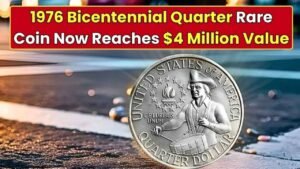
The 1976 Bicentennial Quarter has once again captured collectors’ attention after one recently sold for thousands of dollars. Minted to celebrate America’s 200th birthday, this iconic coin features a special reverse design with a colonial drummer and a patriotic eagle. While most quarters remain ordinary, certain high-grade coins or those with rare errors can fetch hundreds—or even thousands—today.
If you’ve been saving coins in jars, drawers, or coin rolls, now is the perfect time to take a closer look. Even small errors or unique features can make your coin surprisingly valuable.
Why Collectors Prize the 1976 Bicentennial Quarter
Collectors value these quarters for several reasons:
- Historical significance: Celebrates America’s bicentennial with the dual date “1776–1976.”
- Unique design: The reverse depicts a drummer, eagle, and 13 stars, unlike standard quarters.
- Limited proof mintages: Coins from the San Francisco Mint (“S”) are rarer and more collectible.
- Errors and anomalies: Coins with double dies, off-center strikes, or missing details are in high demand.
High-grade coins with full luster, sharp design details, and minimal wear are particularly desirable and can command premium prices in auctions and marketplaces.
How to Identify a Valuable 1976 Quarter
To determine if your quarter is worth thousands, examine three key areas:
Mint Marks
- None: Philadelphia Mint
- D: Denver Mint
- S: San Francisco Proof Coin
Condition and Details
- Look for sharp drummer and eagle features.
- Full luster, crisp lettering, and intact edges increase value.
- Coins with minimal wear or circulation marks are more sought after.
Errors and Variations
Common rare errors include:
- Double strikes
- Off-center printing
- Missing or weak design details
- Unusual coloration or metallic inconsistencies
Using a magnifying glass or loupe can help detect subtle flaws that significantly boost value.
Popular Variations and Market Value
| Coin Type | Mint Mark | Typical Value | Notes |
|---|---|---|---|
| Circulated | None / D | $0.25–$5 | Standard wear |
| Uncirculated | None / D | $10–$50 | Mint condition |
| Proof Coin | S | $50–$300 | Limited, highly detailed |
| Error Coins | D / S | $500–$2,000+ | Double die, off-center, rare traits |
Proof and error coins remain the most collectible and valuable, often exceeding thousands in specialized auctions.
Selling Your 1976 Bicentennial Quarter
If you believe your coin may be valuable, follow these steps to maximize returns:
- Get it professionally graded by services like PCGS or NGC.
- Compare offers from multiple dealers or online marketplaces.
- Consider auctions that specialize in rare or collectible coins.
- Protect the coin with holders or sleeves during handling.
- Monitor market trends to sell during peak collector demand.
Coin shows and local collector clubs can also connect you with serious buyers willing to pay top dollar.
Tips for Preserving Your Coins
Proper preservation enhances value:
- Store coins in protective holders or albums.
- Avoid touching surfaces; use cotton gloves.
- Keep coins away from heat, moisture, and direct sunlight.
- Periodically inspect your collection for damage or wear.
- Document each coin’s mint mark, condition, and unique features.
FAQs About 1976 Bicentennial Quarters
1. Why are 1976 Bicentennial Quarters valuable?
Limited proof mintages, historical design, and rare errors make certain coins highly collectible.
2. How can I check if my quarter is worth money?
Examine mint marks, condition, and potential errors like double dies or off-center strikes.
3. Are all Bicentennial Quarters rare?
No. Most circulated quarters are common, but proof, high-grade, or error coins are valuable.
4. Where can I sell a valuable Bicentennial Quarter?
Through coin dealers, online marketplaces, specialized auctions, or coin shows.
5. Should I get my coin professionally graded?
Yes. Grading enhances credibility, resale potential, and helps verify authenticity.
Conclusion
The 1976 Bicentennial Quarter continues to excite collectors and casual savers alike. Coins with rare mint marks, exceptional condition, or unique errors can fetch thousands of dollars. Now is the perfect opportunity to check your coin jars—you might be holding a hidden treasure of American history. Professional grading and careful preservation can ensure you get the best value for these remarkable quarters.